Color Design and Application Laboratory of TASA

Introduction

The Color Design and Application Laboratory of Tsinghua (Qingdao) Academy of Arts and Science Innovation Research (TASA) serves as a crucial platform led by Professor SONG Wenwen’s team, focusing on the industrial application and skill transformation of color research. It practices and accumulates the research experience of the Colour & Imaging Institute, Art & Science Research Center, Tsinghua University, which was initiated and established by Professor SONG in 2010. Based on conducting high-level research that combines theory and application in areas such as color design, color science, color psychology, and color economy, the Laboratory focuses on the technological transformation, application, and development of color research in industry. It strives to become a formulator of industrial color standards and provides a comprehensive platform for organizing designer exchanges, showcasing achievements, and hosting color design competitions within the industry.
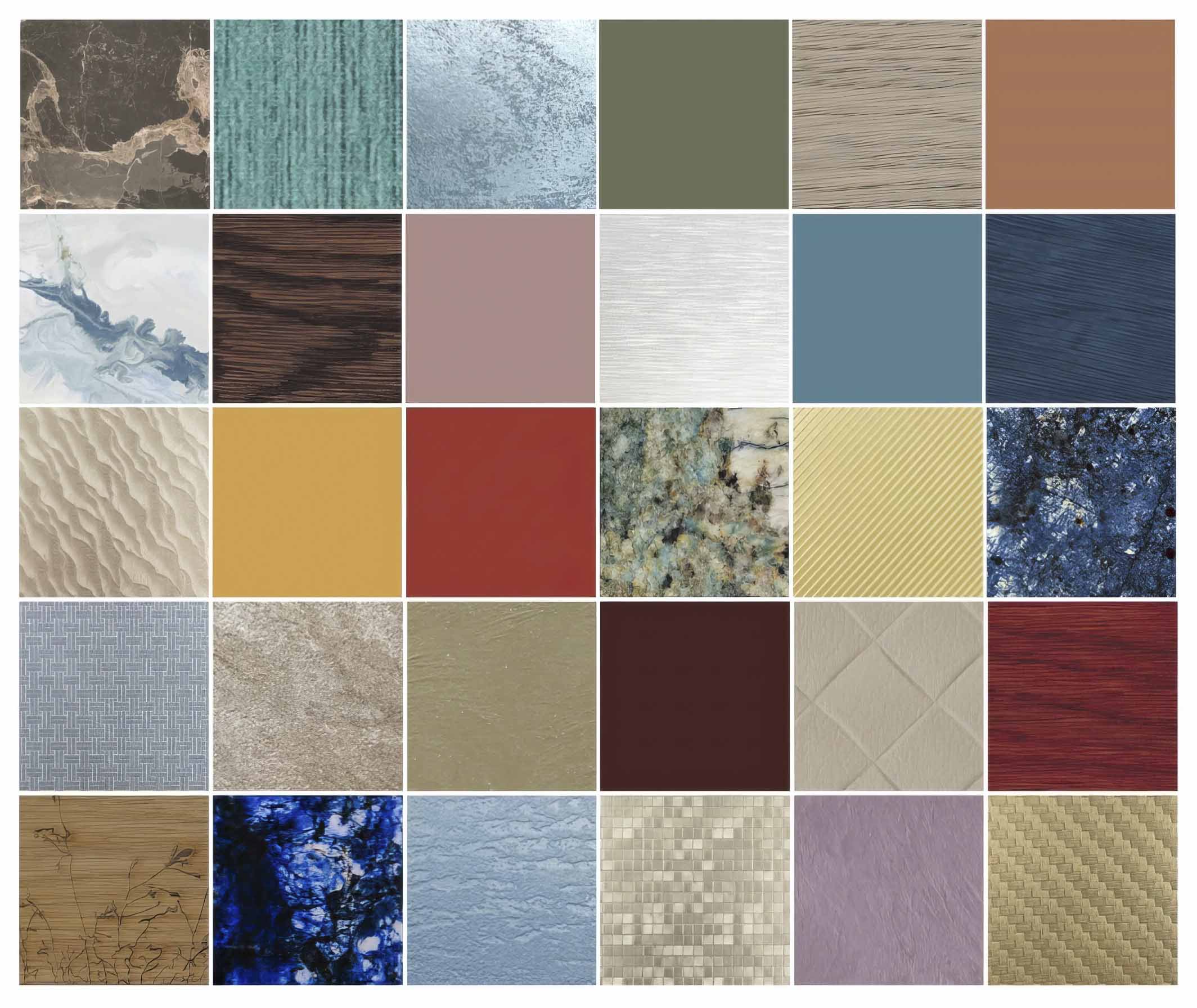
 

The Laboratory aims to empower design disciplines and industries through the application of color art and science.
清华青岛艺科院色彩设计与应用实验室

Work

The Color Design and Application Laboratory possesses experience in research on topics such as color development, the definition of color and psychology, and the application of color art and science. It collaborates closely with institutions such as the Department of Psychology of the School of Social Sciences, the School of Materials Science and Engineering, the Tsinghua Laboratory of Brain and Intelligence, and the Department of Computer Science and Technology, Tsinghua University. As one of China’s most professional practitioners in integrating color art and science, it provides a model for the research and development of color in industrial applications.

With the core concept of evidence-based design, the Laboratory features professionalism and interdisciplinary originality. It adheres to the philosophy of organically integrating color art, design, and color science applications and carries out in-depth explorations through empirical methodologies. By combining empirical methodologies, it strikes a balance between scientificity and practicality, offering effective guidance for real-world applications and enabling color to unleash its potential across various fields.

Leveraging existing outcomes such as color preference databases, color-emotion matching databases, and big data analysis tools for color tonalities in design, the Laboratory provides academic support for industrial applications of color, thereby better bridging products with the market.

In light of the current AI development, the Laboratory develops an AIGC large color model and conducts its industrial promotion and application.

Additionally, the Laboratory will commit to research, design, and development of colors, materials, and processes for future human habitats. By partnering with relevant enterprises in the industry, it will facilitate the transformation of industry-university-research outcomes and drive industrial transformation, upgrading, and sustainable development.